
Posted on: July 3, 2026

Most people think a home safety evaluation for seniors just means grab bars and better lighting. But there’s much more to protecting your loved one’s well-being. From medication management at home to dementia safety and emergency readiness, a thorough senior home assessment in Southeast Michigan uncovers hidden risks and practical solutions. Let’s explore what a comprehensive home assessment really looks for—and how Alivity Care Advocates guides families through every step.
Comprehensive Home Safety Evaluation
Beyond Grab Bars and Bright Bulbs
When considering home safety for seniors, it’s easy to focus on installing grab bars and enhancing lighting. While these improvements are essential, a thorough evaluation digs deeper to ensure comprehensive safety. A full assessment identifies unexpected hazards and offers tailored solutions specific to each home.
Key Areas of Assessment
A professional evaluation covers various areas, highlighting potential risks that might not be obvious. From tripping hazards to emergency response systems, every aspect is scrutinized. The goal is to create a safe and comfortable environment that supports independence and peace of mind for both seniors and their families.
Benefits of Professional Evaluation
By engaging experts, you ensure nothing is overlooked. Professionals have the tools and knowledge to spot issues that could lead to accidents. A detailed evaluation provides clear guidance on adjustments that can significantly reduce risks, fostering a safer living environment.
Detailed Evaluation Components
Mobility and Transfer Needs
Proper assessment starts with evaluating how seniors move within their homes. Can they navigate stairs safely? Are there obstacles that might cause tripping? Evaluators consider these questions to offer solutions like ramps or stairlifts, enhancing mobility and reducing the risk of falls.
Cognitive and Memory Safety
Cognitive changes can impact safety in unexpected ways. Evaluators assess memory-related risks like wandering and offer solutions such as dementia home safety and wandering prevention. This might include installing door alarms or using technology to keep loved ones safe.
Emergency Readiness and Technology Supports
Emergencies require quick action, so readiness is vital. Evaluators check for accessible emergency exits and ensure that smoke detectors and other safety devices function correctly. They might suggest modern technology like medical alert systems for added security.
Supporting Aging in Place
Home Modifications for Seniors
Home modifications can make daily life significantly more comfortable. Evaluators recommend changes like non-slip flooring or adjustable showerheads, which make everyday activities safer and less strenuous. These adjustments help seniors maintain independence in their homes.
Medication Management at Home
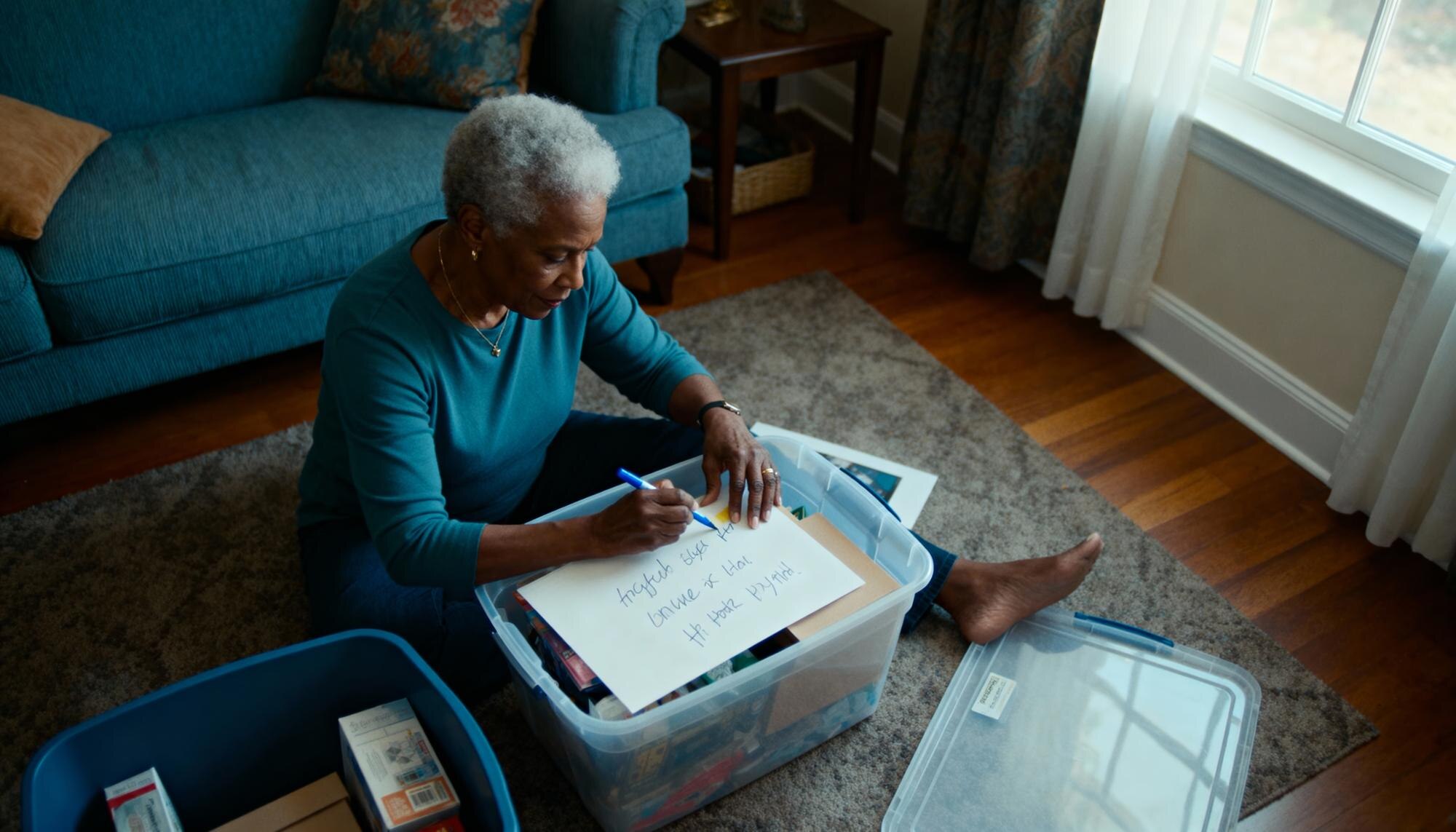
Managing medications is crucial for health and safety. Evaluators can suggest systems or tools to organize medications effectively, reducing the risk of missed doses or dangerous interactions. This step ensures health is protected alongside physical safety.
Caregiver Coaching and Resources
Caregivers play a vital role in maintaining a safe home environment. Resources and coaching can make their job easier, offering guidance on best practices and connecting them with community resources. This support helps caregivers manage their responsibilities more effectively.
Frequently Asked Questions
What is a home safety evaluation for seniors?
A home safety evaluation for seniors assesses potential hazards in the living environment, including mobility barriers, cognitive risks, and emergency readiness, to make the home safer and more comfortable.
How can I prepare my home for a senior loved one?
Start by removing tripping hazards, improving lighting, and installing safety devices like grab bars. Consider a professional evaluation for comprehensive guidance on additional modifications.
Why is medication management important for seniors?
Proper medication management prevents missed doses and harmful drug interactions, which is crucial for maintaining health and preventing complications.
What steps can help prevent falls among seniors at home?
Install non-slip flooring, secure carpets, ensure adequate lighting, and consider mobility aids. A professional evaluation can provide personalized recommendations to enhance safety.
How do home modifications support aging in place?
Modifications like ramps, adjustable showerheads, and non-slip flooring adapt the home to the needs of seniors, making it easier and safer for them to live independently.