
Posted on: July 25, 2026

Most people think a home safety evaluation just checks for grab bars and good lighting. Your parent’s safety involves much more—mobility, medication, emergency plans, and even cognitive needs. At Alivity Care Advocates, we look closely at every detail to create a clear plan that supports safer, more confident aging in place. Keep reading to learn what a thorough home safety evaluation really covers and why it matters for your family. To get started, you might want to refer to this home safety checklist.
Comprehensive Home Safety Insights
Beyond Grab Bars and Lighting
When we think about home safety, grab bars and lighting often come to mind. Yet, ensuring a senior’s safety at home goes beyond these basic measures. A proper safety evaluation covers various aspects from mobility to emergency plans. This holistic approach ensures that every potential risk is addressed, allowing your loved ones to age safely at home.
Essential Elements of a Safety Evaluation
A full safety evaluation considers every detail in your home. It looks at things like medication management and emergency preparedness. By doing so, potential hazards are minimized, and daily life becomes more manageable. This process not only guards against accidents but also boosts confidence for seniors living independently.
Encouraging Safe Aging at Home
Creating a safe environment is key to encouraging seniors to age at home comfortably. By addressing specific needs with care and precision, you can make their living spaces both safe and welcoming. This helps preserve independence while ensuring peace of mind for families.
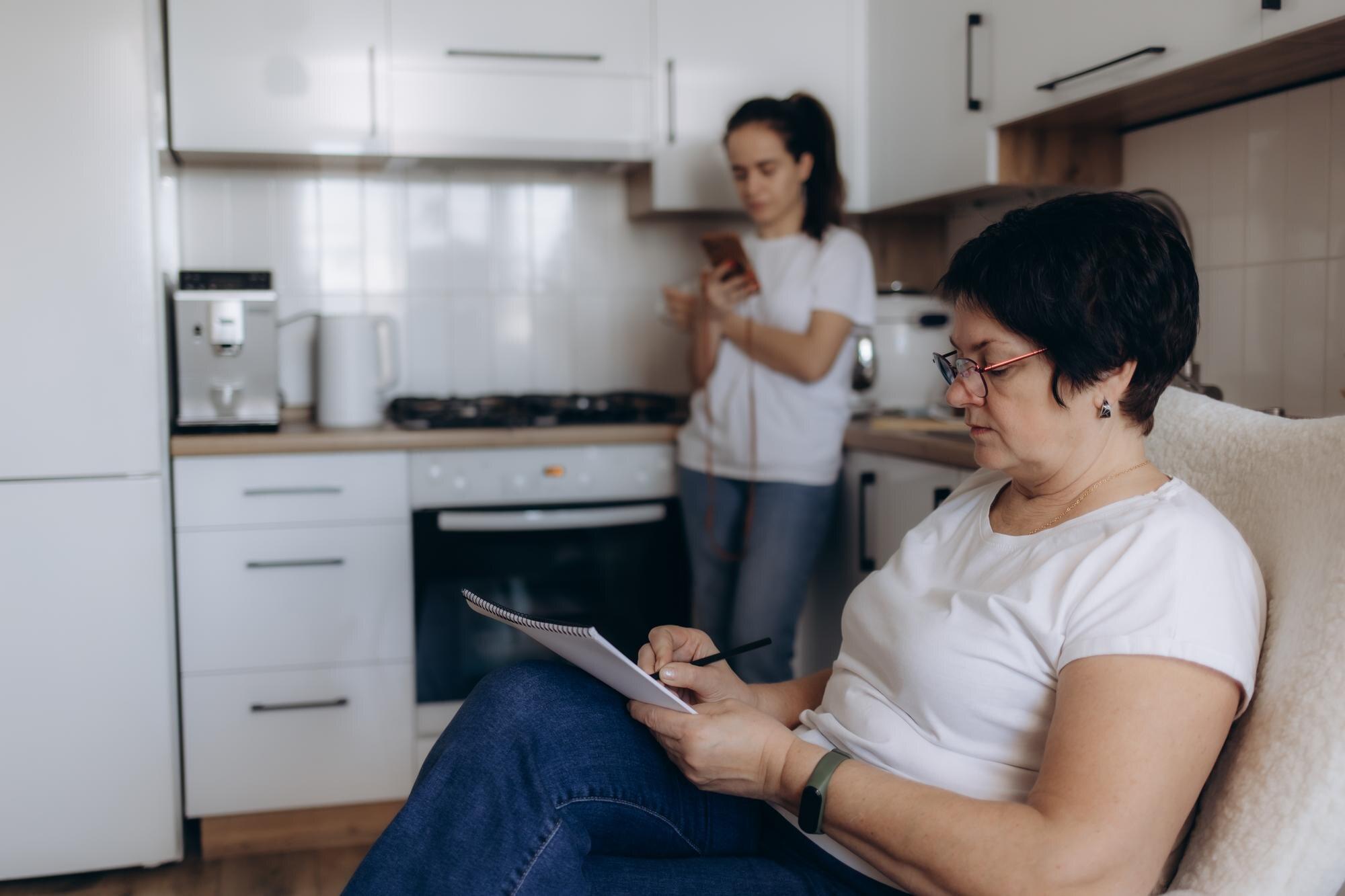
In-Depth Assessment Areas
Mobility and Fall Prevention
Mobility is a crucial aspect of safety at home. Assessments should focus on identifying and reducing fall risks. This includes evaluating flooring, stairs, and pathways. Simple changes, like securing rugs or installing handrails, can make a big difference. Incorporating balance and strength exercises may also help enhance stability.
Medication and Equipment Safety
Managing medication is vital for a senior’s safety. Evaluators check how medications are stored and managed. They look for potential interactions or errors that could pose risks. Similarly, the safety and suitability of medical equipment are assessed. This ensures devices are used correctly, reducing the chance of accidents.
Cognitive and Sensory Considerations
Cognitive and sensory changes can impact safety significantly. Evaluations take these factors into account, ensuring environments are adapted accordingly. This might mean adjusting lighting for those with vision issues or implementing memory aids. By addressing these needs, seniors can live more comfortably and safely.
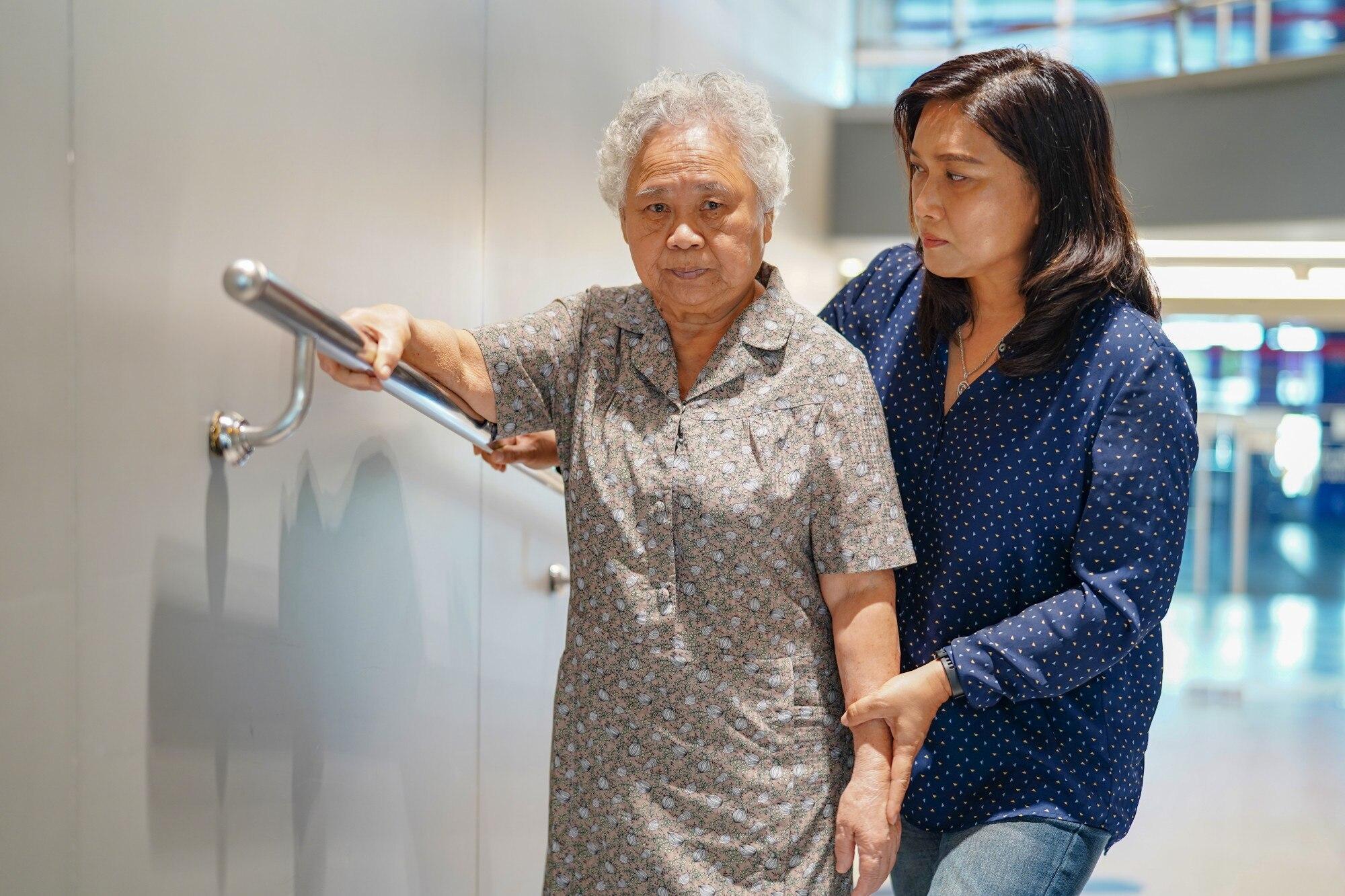
Implementing a Tailored Safety Plan
Actionable Home Modifications
Once risks are identified, implementing changes is the next step. Modifications might include installing ramps or adjusting furniture layout. These changes should be tailored to an individual’s needs, enhancing both safety and comfort.
Building a Supportive Environment
Creating a supportive environment involves more than physical changes. It includes fostering a community of care. This might mean coordinating with local resources or family members. By building a network of support, seniors receive comprehensive care that addresses every aspect of their well-being.
Frequently Asked Questions
What is included in a home safety evaluation?
A home safety evaluation includes assessing risks related to mobility, medication management, and cognitive and sensory needs. It aims to identify potential hazards and recommend modifications for safer living.
How can fall risks be reduced in a senior’s home?
Fall risks can be reduced by securing rugs, installing handrails, and ensuring clear pathways. It’s also helpful to incorporate balance exercises into daily routines to improve stability.
What are some common home modifications for seniors?
Common modifications include installing ramps, handrails, and improving lighting. These changes aim to make homes safer and more accessible for seniors.
Why is medication management important in senior safety?
Proper medication management prevents errors and interactions that could harm seniors. Safe storage and clear organization are crucial for maintaining health and safety.
By focusing on these essential areas, a comprehensive home safety evaluation ensures that seniors can live confidently and securely at home, offering peace of mind to their families.
Alivity Care Advocates can help with all of these things and more. Contact us today!