
Posted on: June 12, 2026

A typical home safety evaluation often focuses on obvious hazards like loose rugs or cluttered walkways. But what if the real risks hide in plain sight — like poor lighting for low vision, medication storage lapses, or subtle bathroom dangers? At Alivity Care Advocates, our senior home assessment digs deeper to uncover these less-visible issues that affect fall prevention for seniors and support confident aging in place. Let’s explore what a thorough home safety evaluation really looks for beyond the obvious. See this home safety checklist..
Unseen Home Hazards
When you think of home hazards, what comes to mind? Most people immediately consider loose rugs or cluttered walkways. But unseen dangers can pose just as much risk. Let’s uncover these hidden threats.
Hidden Trip Hazards
You might overlook common areas that can cause trips. While rugs are a known issue, cords and uneven flooring can be just as dangerous. In fact, 33% of older adults experience falls due to such hazards. This is why a comprehensive assessment is crucial. It identifies overlooked spots that may lead to falls. With this knowledge, you can make simple changes and significantly reduce risks.
Lighting for Low Vision
Proper lighting is essential for those with low vision. Dim or harsh lights can cause missteps. Improving your home’s lighting can involve small adjustments, like using brighter bulbs. 75% of falls occur at home, often due to poor lighting. By addressing this, you enhance safety and provide peace of mind. To learn more about creating a safer environment, check out the Aging in Place Safe at Home Checklist.
Medication Management Safety
Improper medication storage is a hidden risk. Confusion over pills can lead to dangerous errors. Organizing medication with clear labels and reminders can prevent mistakes. A successful strategy might include weekly pill organizers or digital reminders. By managing medications effectively, you support safe aging at home.
Enhancing Bathroom Safety
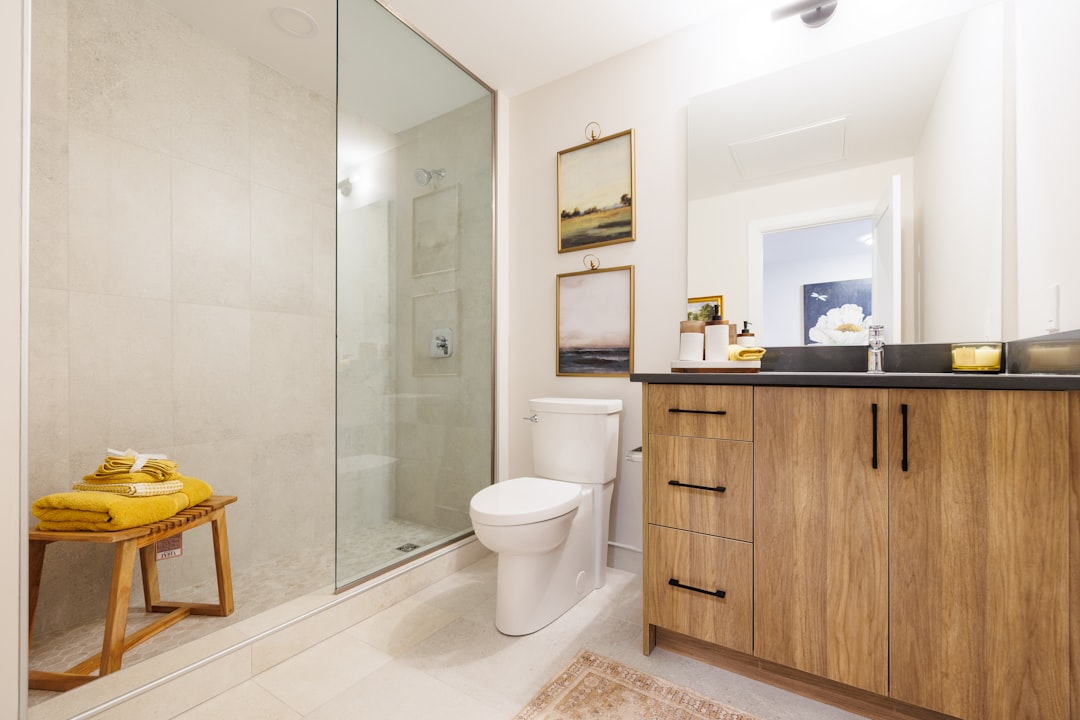
The bathroom is often the most hazardous room in the house. Yet, simple modifications can dramatically improve safety.
Essential Grab Bars Installation
Installing grab bars in key areas like the shower or near the toilet provides support. Many falls occur when seniors try to balance without assistance. A straightforward solution, grab bars offer stability and confidence. They are an investment in safety, reducing the likelihood of falls.
Non-Slip Surfaces and Water Temperature
Non-slip surfaces can prevent slips in wet areas. Adding non-slip mats or applying anti-slip coatings is a simple yet effective measure. Additionally, controlling water temperature can prevent burns. Ensure hot water settings are safe, protecting your loved ones from accidental scalds.
Technology and Cognitive Support
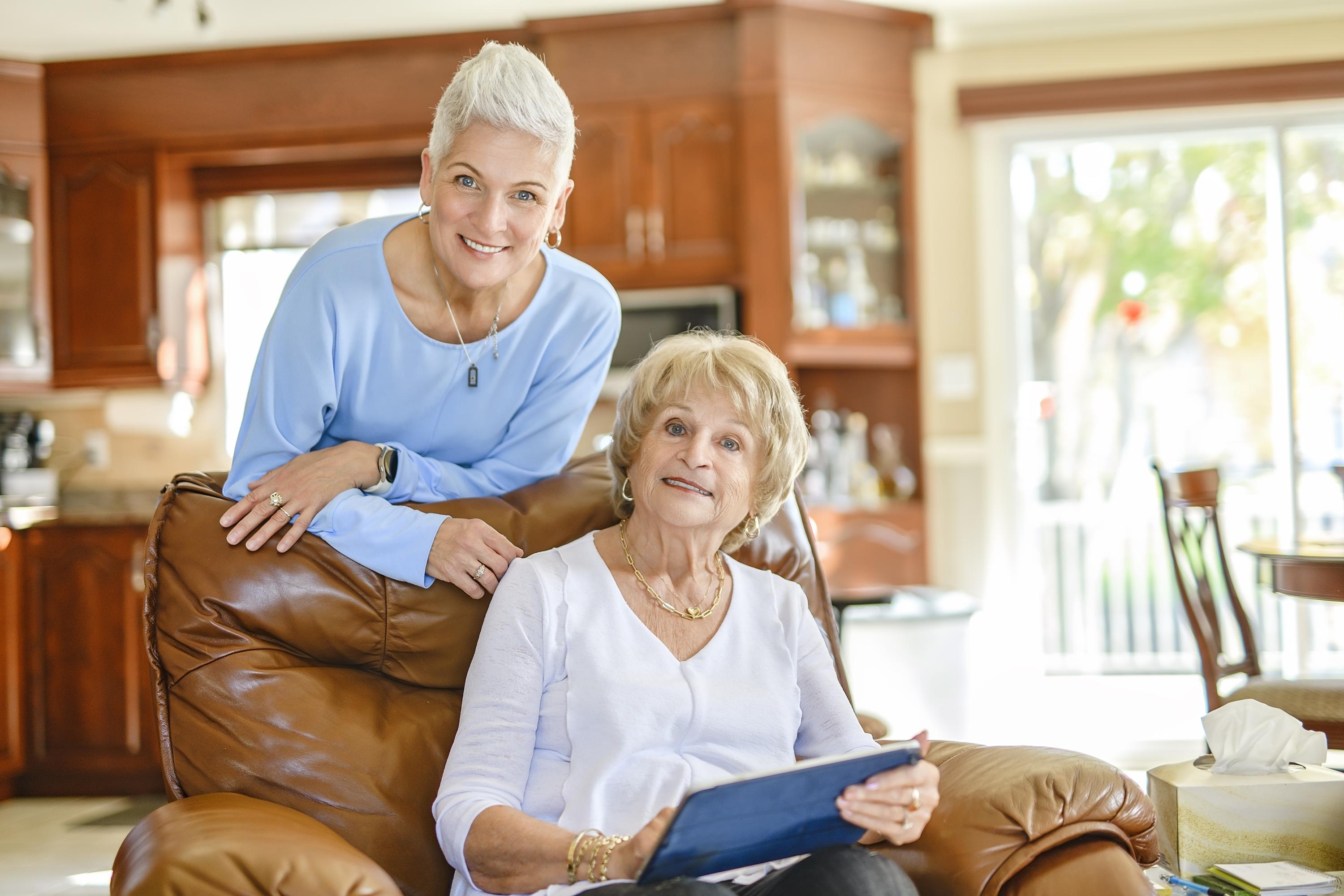
Modern technology offers fantastic tools for seniors. These tools enhance safety and provide cognitive support.
Assistive Technology for Seniors
Devices like alert systems and automatic lights can make a big difference. These tools help seniors live independently while staying safe. Consider technology options that meet your needs.
Dementia-Friendly Home Adaptations
Adapting your home for dementia care involves thoughtful changes. Clear labeling and simplified layouts help those with cognitive challenges navigate their environment. By making these adjustments, you foster a supportive, safe space.
Conclusion
Every adjustment in your home, no matter how small, contributes to a safer living environment. Alivity Care Advocates is here to guide you through this process. With expert advice, you can create a home that supports safety and independence. Alivity can help you to embrace changes that empower your loved one to age confidently — and safely — at home.