
Posted on: March 23, 2026

Top Home Safety Strategies to Prevent Senior Falls (A Southeast Michigan Guide)
Falls cause nearly 3 million emergency visits among seniors each year in Southeast Michigan. You know the worry when your loved one is at risk at home, where most falls happen. This guide shares top senior fall prevention strategies you can apply right away to protect your family. Keep reading to learn practical steps for home safety for seniors and how a home safety evaluation with Alivity Care Advocates can make a real difference. For more tips, visit this link.
Essential Home Safety Strategies
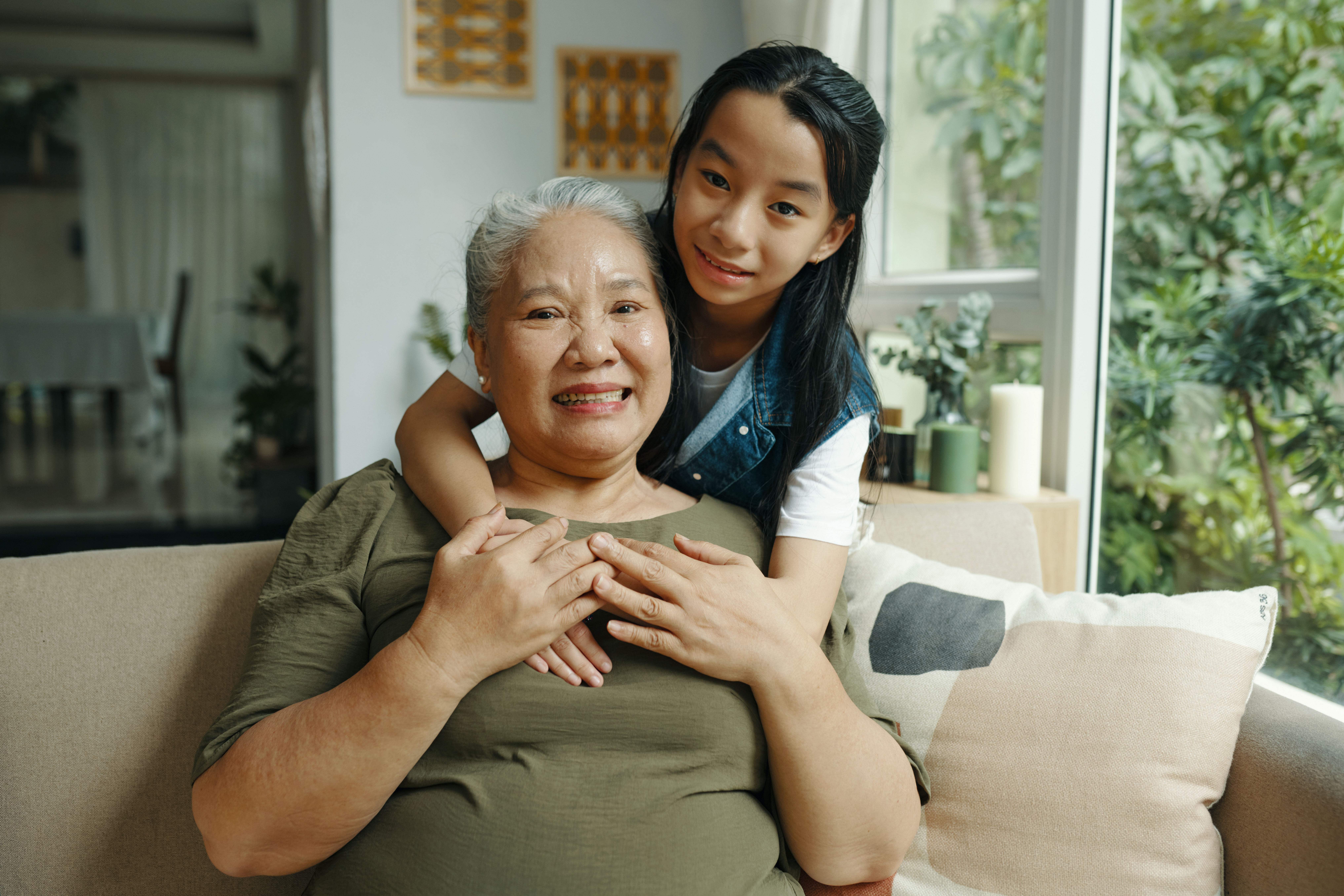
Creating a safe home environment is crucial to reducing fall risks. Let’s explore some practical strategies you can implement today to safeguard your loved ones.
Assessing Fall Risks at Home
To start on the right foot, identify potential hazards around the house. Walk through each room and look for issues:
Clutter: Clear pathways and remove anything that could cause tripping.
Rugs: Secure them or remove loose ones entirely.
Furniture: Ensure sturdy arrangements for stability.
A thorough review helps pinpoint changes needed to enhance safety. Consider using a professional checklist, like the one found in this resource.
Importance of Lighting and Flooring
Lighting and flooring play a significant role in preventing falls. Let’s dive into the details:
Brighten Up: Install brighter bulbs or add more lighting fixtures. Focus especially on stairs and hallways.
Non-Slip Surfaces: Choose non-slip flooring options or add non-slip mats to key areas.
These improvements can reduce accidents significantly. A well-lit path coupled with slip-resistant flooring can make your home much safer.
Effective Bathroom Safety Measures
Bathrooms are often where falls occur due to slippery surfaces. Here’s how to make it safer:
Grab Bars: Install them near the toilet and shower for support.
Non-Slip Mats: Use them inside and outside of the shower.
Don’t underestimate these simple steps. They provide crucial stability and prevent falls in one of the most hazardous rooms.
Professional Support and Resources
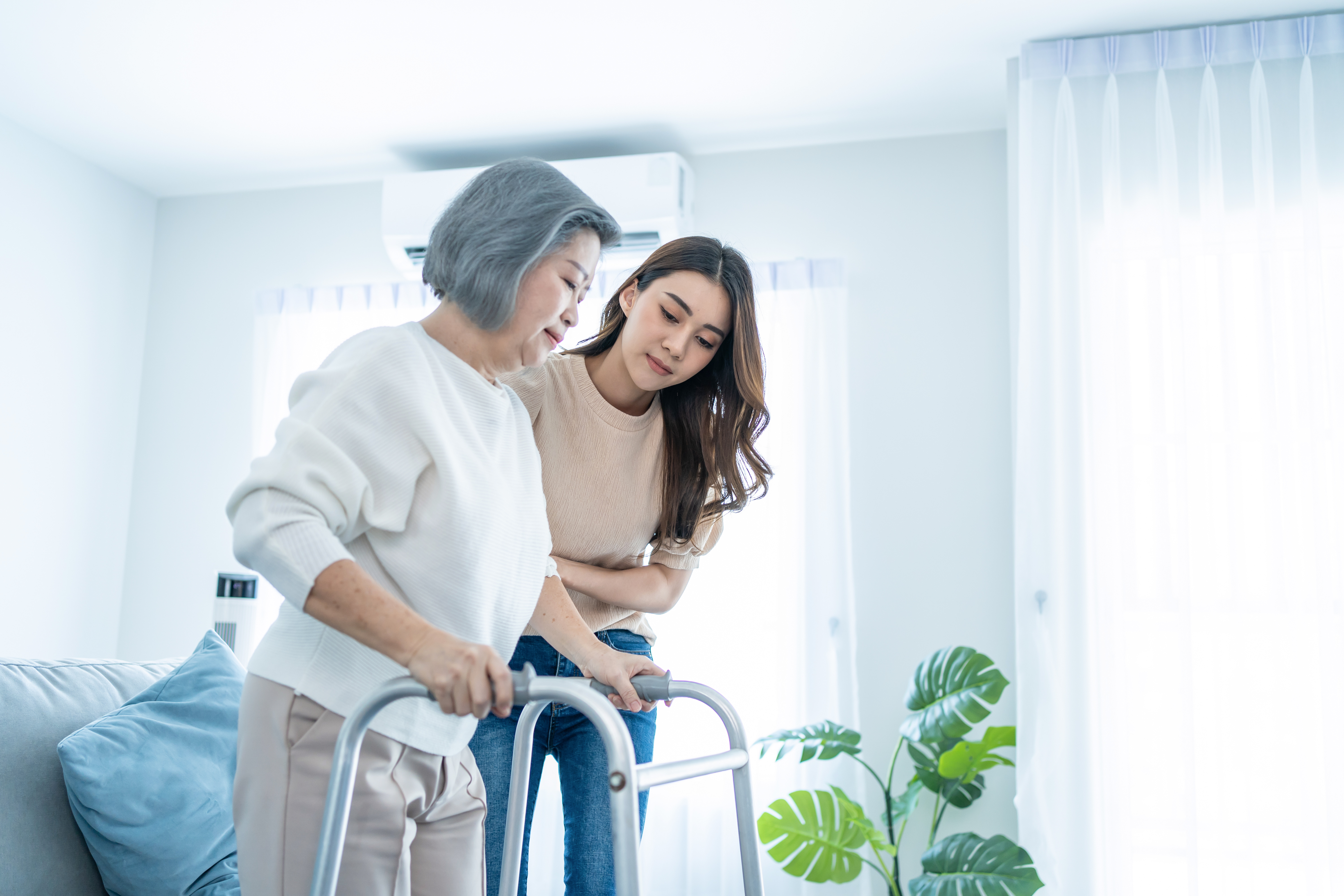
While home adjustments are key, professional support can make all the difference in fall prevention. Explore how it can work for you.
Benefits of a Home Safety Evaluation
A professional home safety evaluation identifies risks you might miss. Experts provide:
Detailed Reports: Highlight specific areas needing attention.
Tailored Advice: Offer solutions based on your home layout.
This service ensures nothing is overlooked, enhancing overall safety. Learn more about conducting evaluations here.
Role of Care Management in Safety
Care management provides ongoing support, ensuring safety measures adapt with changing needs:
Monitoring: Regular check-ins to reassess the home environment.
Resources: Access to tools and products that aid in fall prevention.
This proactive approach helps maintain a safe environment for your loved ones.
Partnering with Alivity Care Advocates
Alivity Care Advocates can be your ally in creating a safer home. They offer:
Comprehensive Evaluations: Experienced professionals assess your home.
Custom Solutions: Recommendations tailored to your needs.
With their support, you gain peace of mind knowing your loved ones are safer. Explore their services further here.
Promoting Safe Aging in Place
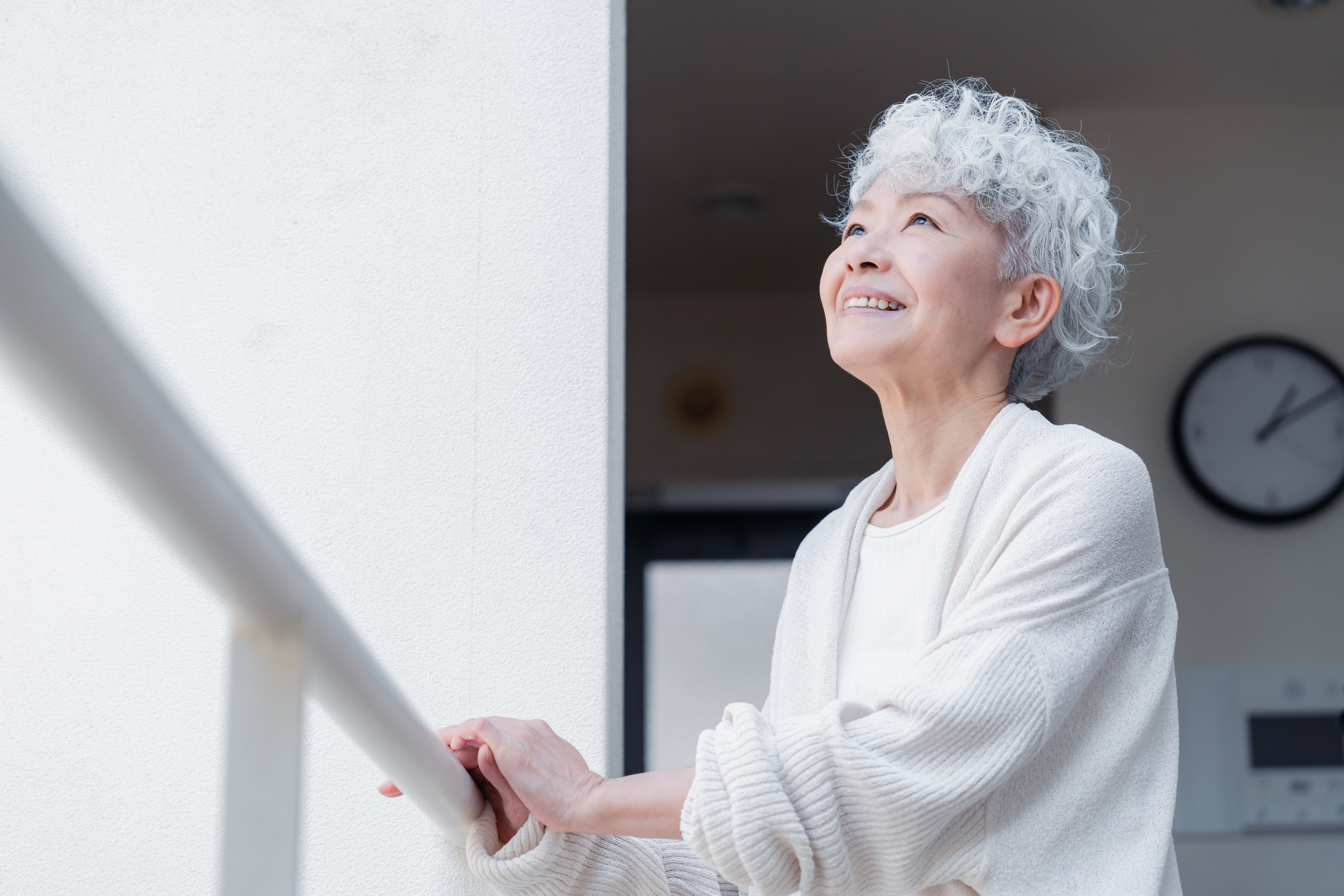
Aging in place is a goal for many seniors, and ensuring safety helps make this possible. Here’s how you can support it.
Installing Grab Bars and Railings
Grab bars and railings are essential for preventing falls:
Strategically Placed: Install them in high-risk areas such as bathrooms and stairs.
Secure: Ensure they’re firmly anchored and can support weight.
These additions offer much-needed support, enabling seniors to move confidently around their homes.
Medication Review for Fall Risk
Medications can sometimes contribute to falls. Regular reviews are vital:
Consult: Work with a healthcare provider to assess medication side effects.
Adjust: Change prescriptions if they elevate fall risks.
Understanding the connection between medications and falls can lead to safer living conditions.
Occupational Therapy Home Assessment
An occupational therapy assessment provides insight into daily activities and safety:
Functionality Focused: Assessments center on how seniors interact with their environment.
Practical Solutions: Offer modifications to improve ease of movement.
These assessments ensure that seniors can navigate their homes safely, promoting independence and security.
In summary, addressing fall risks through home modifications, professional evaluations, and ongoing management can significantly reduce hazards. With these steps, you’re better equipped to protect your loved ones and support their desire to age safely in place. For more comprehensive details on prevention strategies, visit this page.