
Posted on: March 16, 2026

Top Strategies for a Senior Home Safety Evaluation: Protecting Your Loved One at Home
Home safety evaluations for seniors often get overlooked until an accident happens. You want to protect your loved one from falls and other risks before they become emergencies. This guide shares key strategies from Alivity Care Advocates to help families in Southeast Michigan create safer homes and support aging in place with confidence. Learn more about senior home safety.
Comprehensive Home Safety Evaluation
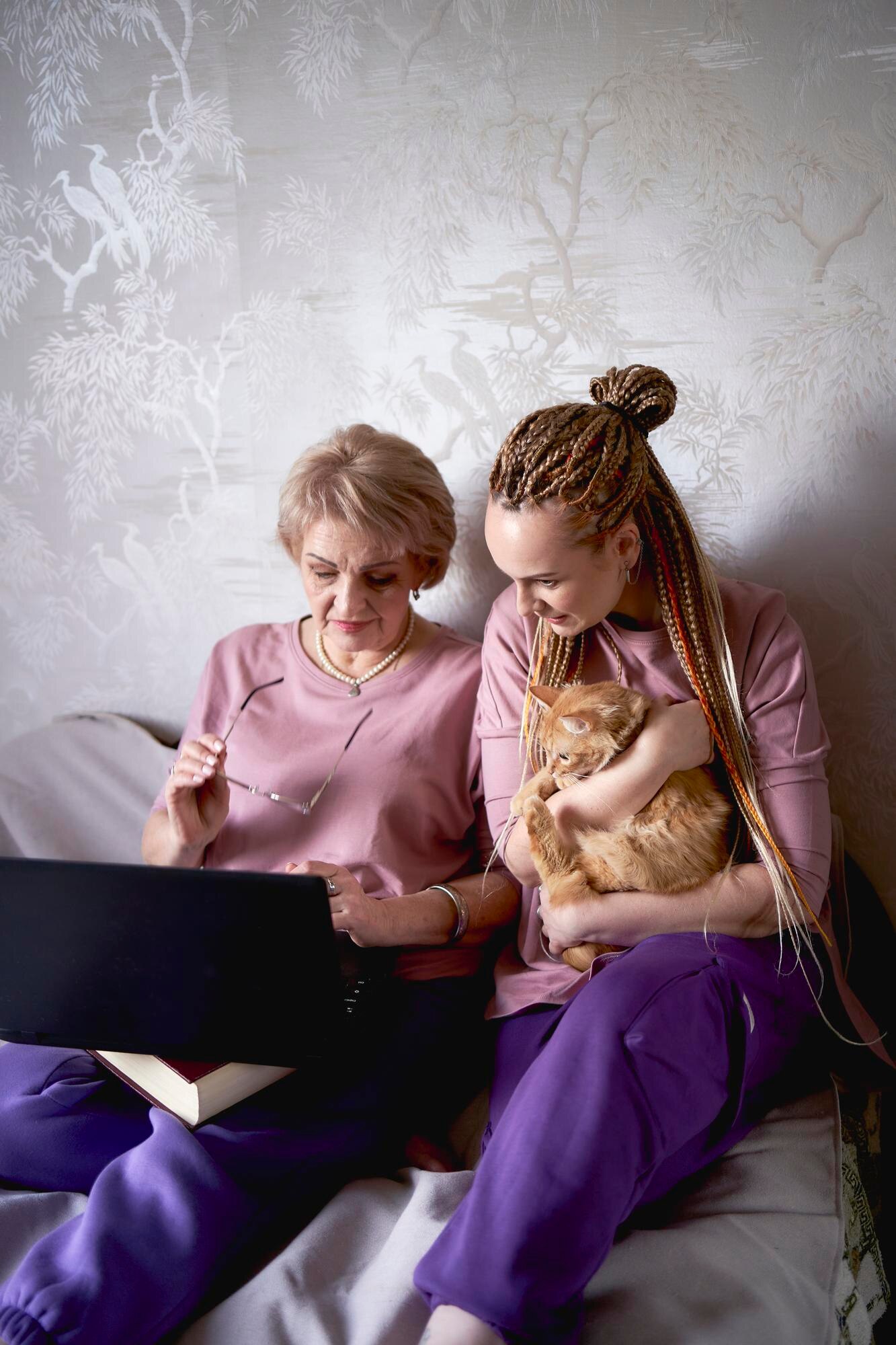
Creating a safer home for seniors begins with understanding the risks. Knowing what to look for can help prevent accidents and keep your loved ones safe.
Identifying Potential Hazards
Uncovering hidden dangers in the home is crucial. Start by walking through each room with a fresh set of eyes. Look for clutter on the floor, loose rugs, and poor lighting, all of which can lead to falls. Also, check for exposed cords or furniture that blocks pathways. Each of these can pose a risk to seniors. The Mayo Clinic suggests a household safety checklist to ensure nothing is overlooked.
Most people assume their home is safe, but this isn’t always the case. Even familiar spaces can be dangerous if not assessed regularly. Checking for potential hazards should be part of your routine. When you identify these risks, you take the first step towards a safer environment for aging in place.
Importance of Fall Prevention for Seniors
Falls are a significant concern for seniors, but understanding why they happen can help prevent them. Balance issues, vision problems, and medication side effects are some common causes. Ensuring regular check-ups with healthcare providers can help manage these issues. It’s essential to understand how individual factors contribute to falls, so you can take specific actions to address them.
Did you know that more than one in four adults aged 65 and older falls each year? This statistic highlights the importance of proactive measures. Installing proper lighting and using non-slip mats are simple yet effective ways to reduce fall risk. The Health in Aging Foundation offers safety tips that are easy to implement and can make a significant difference.
Home Modifications for Safety

Once potential hazards are identified, the next step is to make necessary changes. Home modifications can greatly enhance safety and comfort for seniors.
Essential Bathroom Safety Features
Bathrooms are often where accidents occur. Installing the right features can make a big difference. Grab bars near the toilet and in the shower can provide support and prevent falls. Non-slip mats inside and outside the tub are also important. Make sure the bathroom is well-lit, and consider a night light for added safety.
A walk-in shower can be another excellent investment. It eliminates the need to step over a high tub edge, reducing the risk of tripping. Shower seats can also offer support for those with limited mobility. According to the Village Caregiving guide to senior home safety, these simple changes can make daily routines safer and easier for seniors.
Installing Grab Bars and Railings
Grab bars and railings provide essential support in key areas of the home. These additions are not just for the bathroom; consider installing them in hallways or staircases too. They offer stability and peace of mind, especially in slippery or uneven areas.
When choosing grab bars, make sure they’re installed securely and can support weight. Railings along staircases should be sturdy and easy to grip. If you’re unsure where to begin, we recommend consulting an elder care advocate like Alivity Care Advocates for guidance on the best places to install these fixtures.
Proactive Care Management

In addition to physical modifications, managing medication and planning for emergencies are key components of a comprehensive safety strategy.
Medication Safety for Seniors
Proper medication management is vital. Seniors often take multiple prescriptions, which can increase the risk of interactions or side effects leading to falls. Regularly review medications with a healthcare provider. This helps ensure doses are correct and necessary.
Using a weekly pill organizer can simplify daily routines and prevent missed doses. Clearly labeled bottles and reminder alarms are also helpful. TCARE outlines steps for a safe home environment, emphasizing the importance of medication safety.
Emergency Planning and Crisis Management
Having an emergency plan is crucial. It prepares both you and your loved one for potential crises. Start by creating a list of important contacts, such as doctors and family members. This list should be easily accessible.
Practice what to do in case of an emergency, whether it’s a medical issue or a natural disaster. Knowing the steps to take can reduce panic and ensure quick action. Alivity Care Advocates can assist with detailed crisis management plans, offering peace of mind for both seniors and their families.
By following these strategies, you are taking important steps to protect your loved ones. A comprehensive home safety evaluation not only reduces risks but also supports aging in place with confidence. Remember, the longer you wait to make these changes, the more you risk potential accidents. Don’t hesitate to seek guidance from experts like Alivity Care Advocates, who are committed to providing the best possible care solutions for seniors.