
Posted on: June 19, 2026

Many families face hidden risks in their loved one’s home before anyone realizes it. A thorough home safety evaluation reveals these dangers early, making daily life safer for your aging parent. With Alivity Care Advocates guiding you through this process, you’ll know exactly what to expect and how to create a safer space that supports independence and comfort. Keep reading to understand each step and how this service eases your caregiving journey. For more information, you can refer to this home safety checklist.
Introduction to Home Safety Evaluation
Ensuring your aging parent’s home is safe can prevent accidents and provide peace of mind. The evaluation process is key in maintaining a secure environment for seniors. Let’s explore what makes these evaluations essential and how they work.
Importance of Home Safety for Seniors
Creating a safe home for seniors helps them live independently while minimizing risks. Falls are a major concern and can lead to severe injuries. A home safety evaluation addresses these risks by identifying potential hazards and offering practical solutions.
Home safety isn’t just about preventing falls. It’s about creating an environment where seniors feel secure and comfortable. By following expert recommendations, families can make informed decisions that enhance their loved one’s quality of life. For tips on ensuring safety, check out this resource.
Understanding Fall Risks and Prevention
Falls are the leading cause of injury among the elderly. Many factors contribute, including clutter or inadequate lighting. During the evaluation, experts assess these risks and suggest changes to prevent falls. Simple modifications, like installing grab bars or improving lighting, can make a significant difference.
Preventing falls also involves understanding the individual’s physical condition. Evaluators consider mobility issues and tailor recommendations accordingly. By addressing both environmental and personal factors, families can help their loved ones stay safe at home. Learn more about fall prevention strategies from this helpful guide.
Overview of the Evaluation Process
The home safety evaluation process is thorough and personalized. It starts with understanding the unique needs of your loved one. From there, experts conduct a detailed assessment of the home environment, identifying risks and recommending specific changes.
Evaluations don’t stop at identification. They include actionable steps to improve safety. By working with professionals, families can ensure their loved one’s home is as safe as possible. This proactive approach is crucial in maintaining independence and comfort for seniors.
Steps in a Home Safety Evaluation
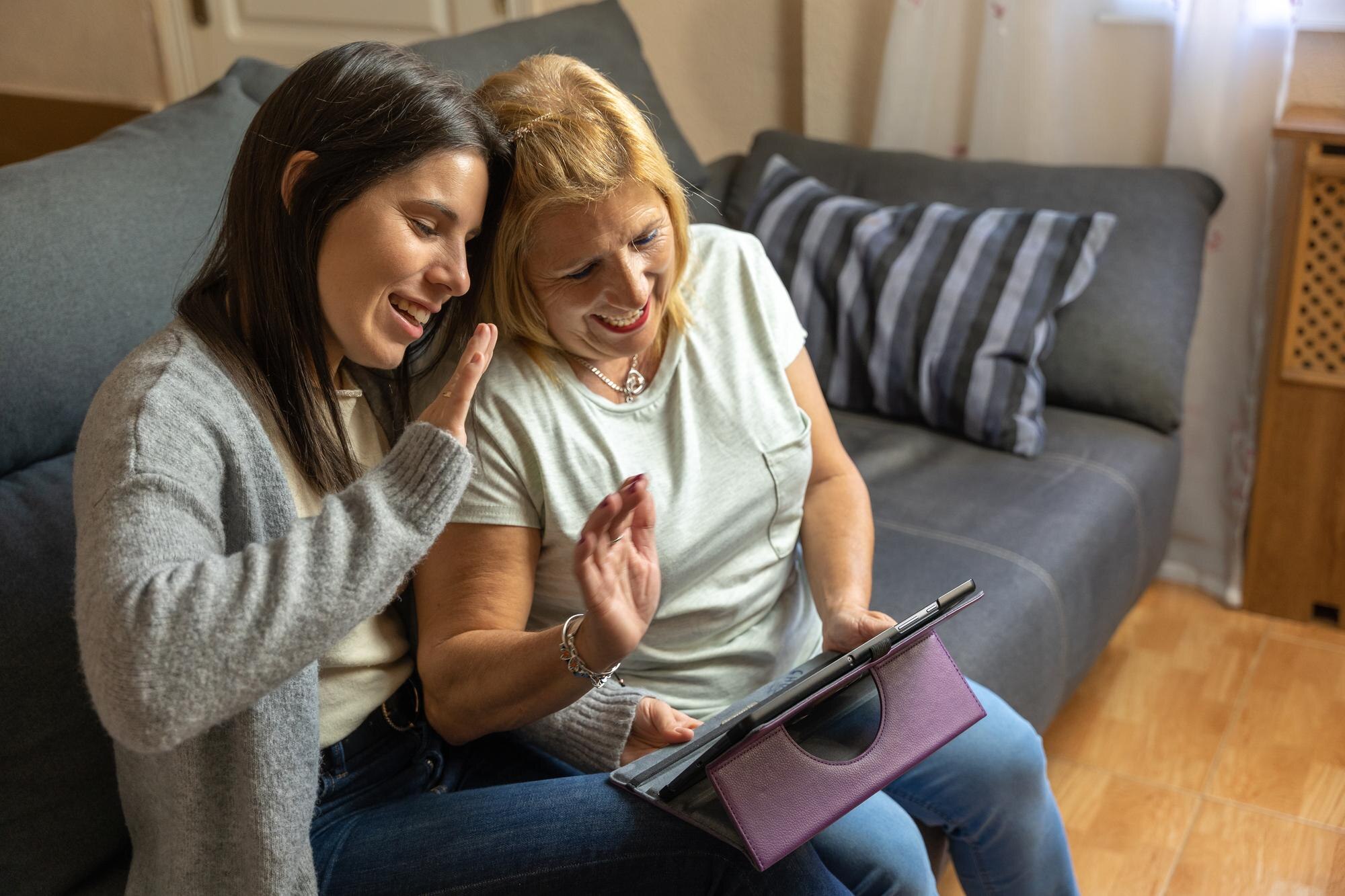
The evaluation is a multi-step process, beginning with understanding your loved one’s needs and ending with specific recommendations. Each step is crucial to creating a safer home.
Pre-Visit Intake and Assessment
Before the visit, evaluators gather important information about your loved one’s health and living situation. This helps them understand specific risks and tailor their assessment accordingly. The intake process ensures that all aspects of safety are covered.
During this phase, families can discuss any concerns or specific needs. This collaborative approach ensures that the evaluation addresses all potential hazards. It’s an opportunity to share insights that may not be obvious but are crucial for the evaluator to know.
Room-by-Room Safety Review
The evaluator will examine each room thoroughly, noting potential hazards and suggesting improvements. For instance, they might recommend securing rugs or rearranging furniture to create clear pathways. Every detail counts in making a home safer for seniors.
This room-by-room approach allows evaluators to pinpoint specific issues and provide targeted solutions. It ensures that no area is overlooked and that recommendations are comprehensive. For more guidance on room-specific safety measures, visit this in-depth checklist.
Functional and Medical Considerations
Safety isn’t just about the environment; it’s also about the individual’s capabilities. Evaluators consider medical conditions and mobility levels to provide personalized advice. This might include recommending mobility aids or suggesting ways to make daily tasks easier.
Understanding these functional and medical needs is crucial. It ensures that recommendations are not only effective but also practical. By tailoring advice to individual needs, families can implement changes that truly enhance safety and comfort.
Benefits of a Professional Evaluation
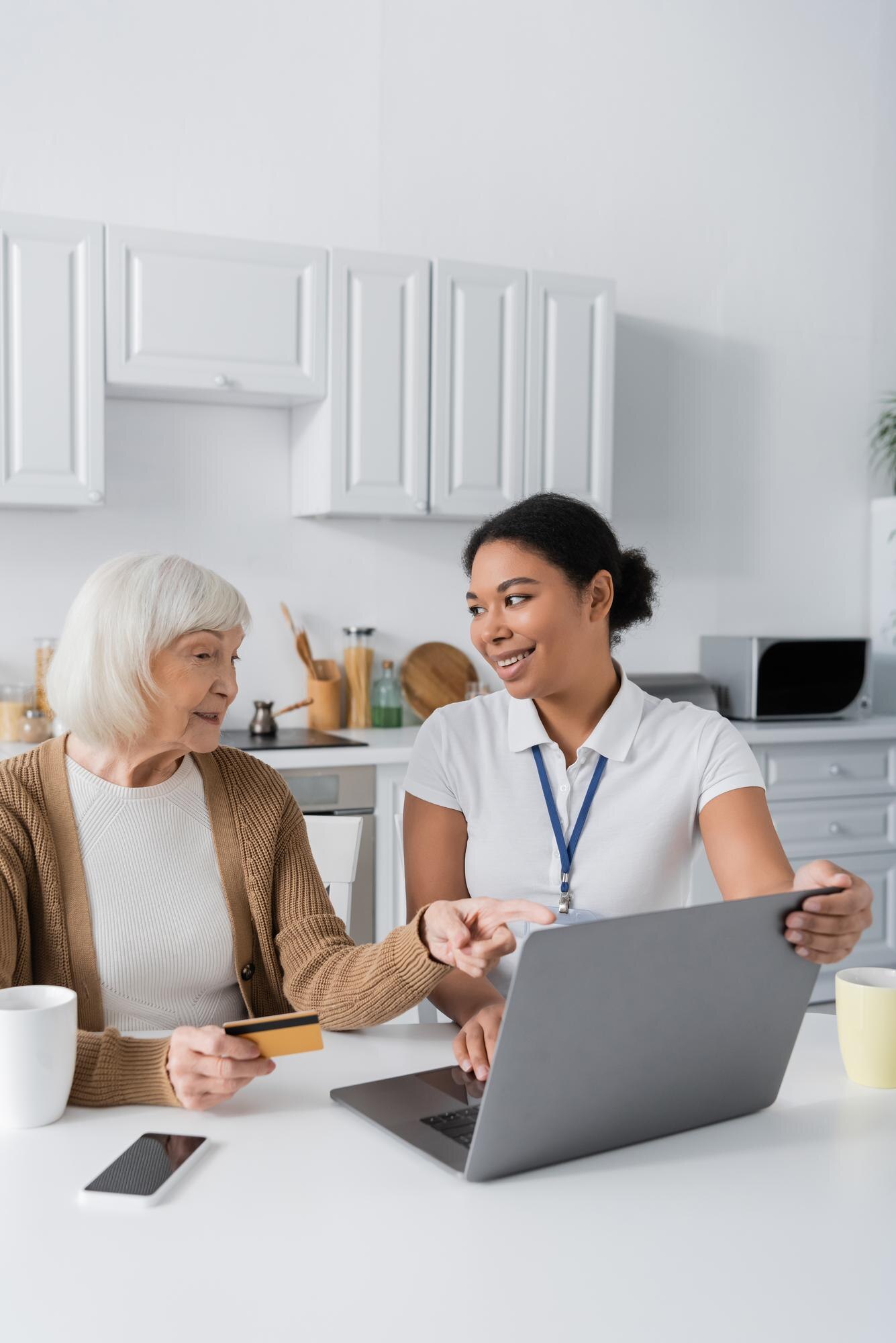
A professional evaluation offers more than just a checklist; it provides peace of mind. Knowing that experts have thoroughly assessed your loved one’s home can be incredibly reassuring.
Tailored Safety Recommendations
Every home is unique, and so is every evaluation. Experts provide personalized recommendations that address the specific risks in your loved one’s home. These tailored solutions are crucial for effective fall prevention and overall safety.
By following expert advice, families can make informed decisions that directly impact their loved one’s well-being. Tailored recommendations ensure that changes are both necessary and beneficial, creating a safer environment for seniors.
Access to Local Resources and Referrals
Professional evaluators also connect families with local resources. Whether it’s finding a contractor to install safety equipment or accessing community services, these referrals are invaluable. Families gain access to a network of support that can ease the caregiving journey.
Having trusted resources at your disposal makes implementing changes much easier. It provides the support families need to make effective improvements quickly and efficiently.
Ongoing Care Management Support
Safety is an ongoing concern, and professional evaluators offer continued support. They help monitor changes and adjust recommendations as needed, ensuring the home remains safe over time. This ongoing support is key to maintaining a safe and comfortable living environment for seniors.
By engaging with professionals, families can stay proactive about safety. It’s not just about one-time changes but about creating a sustainable, supportive environment for your loved one.