
Posted on: April 6, 2026

What to Expect from Professional Care Management for Older Adults: A Southeast Michigan Family Guide
Professional care management for seniors can feel overwhelming when your aging parent’s needs grow more complex. You want clear steps and a trusted local advocate by your side to guide each decision. In Southeast Michigan, partnering with an experienced geriatric care manager near me means smoother transitions, safer home environments, and support that eases caregiver stress. This guide will walk you through what to expect, so you can feel confident in every stage of elder care coordination.
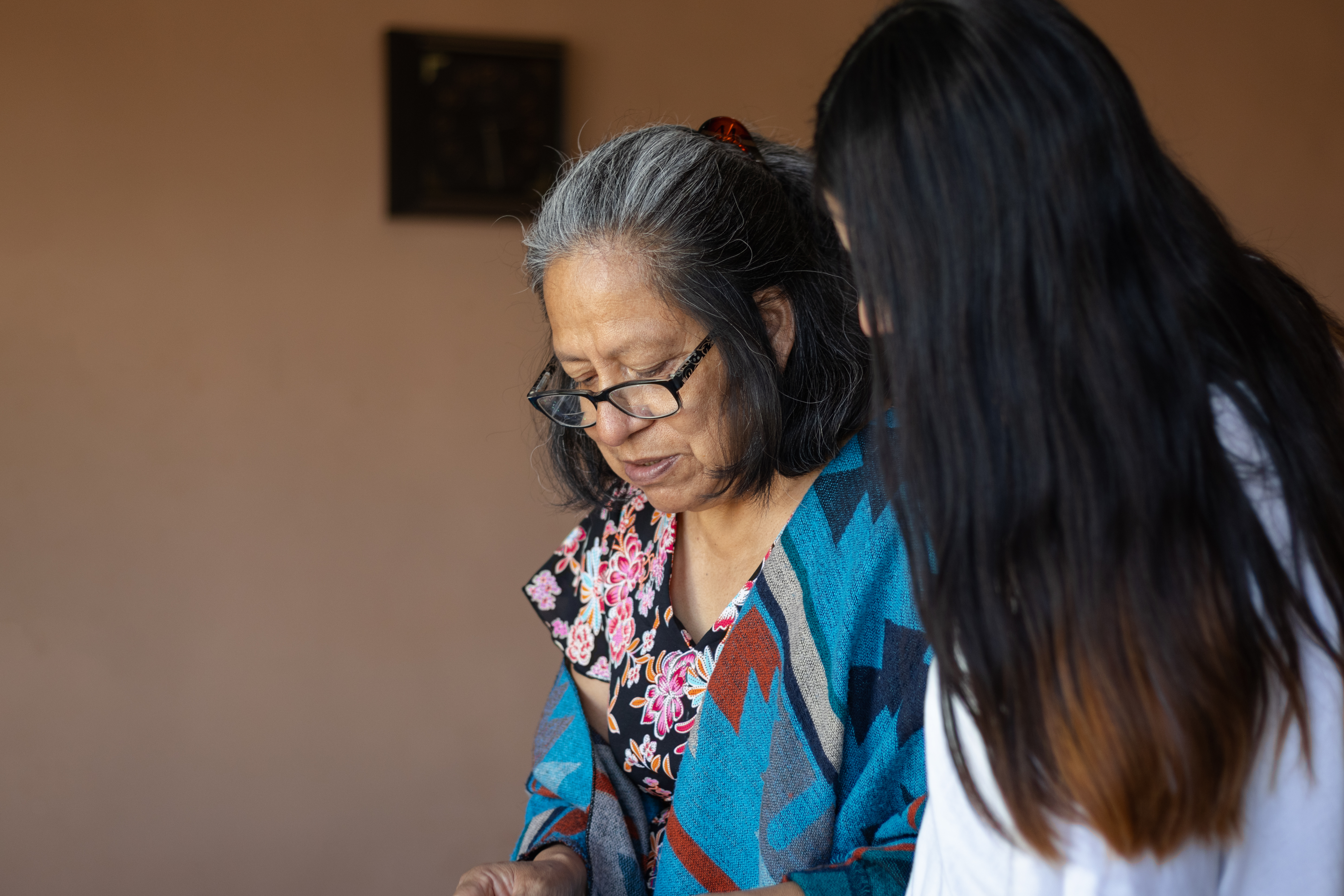
Understanding Professional Care Management
Navigating elder care requires understanding the roles and benefits of professional support. This section explores key aspects of care management and how they can make a difference for your family.
What is Senior Care Advocacy?
Senior care advocacy involves guiding families and seniors through the complexities of elder care. An advocate helps you find solutions tailored to your needs. They work to ensure your loved one receives the best possible care. From researching local resources to connecting with medical professionals, an advocate serves as your partner in managing the challenges of aging.
Most people think they have to handle everything alone, but having an advocate can ease this burden. They provide clarity in confusing situations and help you make informed decisions. Discover more about the importance of senior care advocacy in Southeast Michigan by consulting with local experts.
Role of a Geriatric Care Manager
A geriatric care manager is a professional who coordinates various aspects of elder care. Their expertise lies in assessing needs and creating comprehensive care plans. They oversee medical management, ensuring that all health-related concerns are addressed efficiently.
These managers act as a bridge between families and healthcare providers. By understanding the unique needs of each senior, they tailor their approach. This ensures that every aspect of care is covered, from daily activities to medical appointments. For more on choosing the right manager, check out this resource.
Benefits of Local Care Coordination
Having a local care coordinator means access to a network of community resources. This is crucial for seamless transitions and ongoing support. Coordinators know the area well, making it easier to find appropriate services quickly. They provide peace of mind by organizing care and ensuring that nothing falls through the cracks.
Local coordination brings a personal touch to caregiving. You gain a partner familiar with community options who can respond swiftly to changes in needs. This leads to better outcomes for your loved one and less stress for you. To understand the full impact of local coordination, visit this site.

Steps in Care Management for Seniors
Once you understand the basics, it’s time to delve into the specific steps involved. These steps ensure a comprehensive approach to senior care.
Initial Care Plan Assessment
The first step in care management is assessing the current situation. This involves evaluating medical needs, living conditions, and personal preferences. A thorough assessment helps identify areas that require attention. A care plan is then developed to address these needs.
Gather Information: Collect medical records and personal history.
Evaluate Needs: Identify daily living challenges and health requirements.
Develop Plan: Create a tailored approach to meet identified needs.
By starting with a clear assessment, you set the stage for effective care management. This proactive approach lays the foundation for all future steps in the care process.
Hospital to Home Transition Planning
Transitions from hospital to home require careful planning to ensure safety and continuity of care. This phase involves coordinating with medical staff, arranging home modifications, and scheduling follow-up appointments. Proper planning reduces the risk of readmission and promotes recovery.
A seamless transition involves collaboration between healthcare providers and care managers. They work together to address potential challenges. Most people think a discharge means everything is resolved, but it’s just the beginning. Learn more about successful transitions at this link.
Ongoing Medical Management and Monitoring
Ongoing medical management is essential for maintaining health and well-being. This includes regular check-ups, medication management, and adjustment of care plans as needed. Continuous monitoring ensures that any changes in health status are quickly addressed.
Schedule Regular Visits: Keep consistent appointments with healthcare providers.
Monitor Health Changes: Track symptoms or health fluctuations.
Adjust Care Plans: Modify plans based on new information or needs.
By staying proactive with medical management, you can prevent complications and ensure that your loved one receives the best care possible.

Partnering with a Trusted Advocate
Choosing the right advocate is key to achieving peace of mind. This section highlights how to find a reliable partner and the importance of their role in elder care.
Finding the Right Elder Care Coordination
Selecting the right care coordinator involves research and asking the right questions. Look for professionals with experience and a strong network in the community. They should understand your family’s unique needs and provide personalized solutions.
Check Credentials: Verify certifications and experience levels.
Ask for References: Speak with other families who have used their services.
Evaluate Compatibility: Ensure they understand and respect your values and preferences.
A trusted coordinator becomes an extension of your family, working tirelessly to ensure your loved one’s needs are met.
Importance of Home Safety Evaluations
Home safety evaluations are crucial for creating a secure living environment. Simple modifications can prevent accidents and make daily tasks easier for seniors. Evaluations identify potential hazards and recommend solutions to enhance safety.
Identify Risks: Look for tripping hazards, poor lighting, and other dangers.
Recommend Changes: Suggest modifications like grab bars or ramps.
Implement Solutions: Prioritize and make necessary changes promptly.
A safe home means peace of mind for you and a comfortable space for your loved one. Most people underestimate the impact of small changes, but they can significantly enhance quality of life.
Supporting Family Caregivers and Reducing Stress
Supporting family caregivers is as important as caring for seniors. Caregiver stress is common, but with the right support, it can be managed effectively. Resources like support groups and respite care provide much-needed relief.
Join Support Groups: Connect with others facing similar challenges.
Seek Respite Services: Take breaks to recharge and maintain well-being.
Access Resources: Utilize community services for additional support.
Caregiving is a shared journey. With the right tools and support, you can navigate this path confidently and compassionately.